Back to Journal
Microplastics in Sea Salt: Why Ancient Rock Salt Offers a Cleaner Alternative
## The Hidden Cost of Modern Oceans
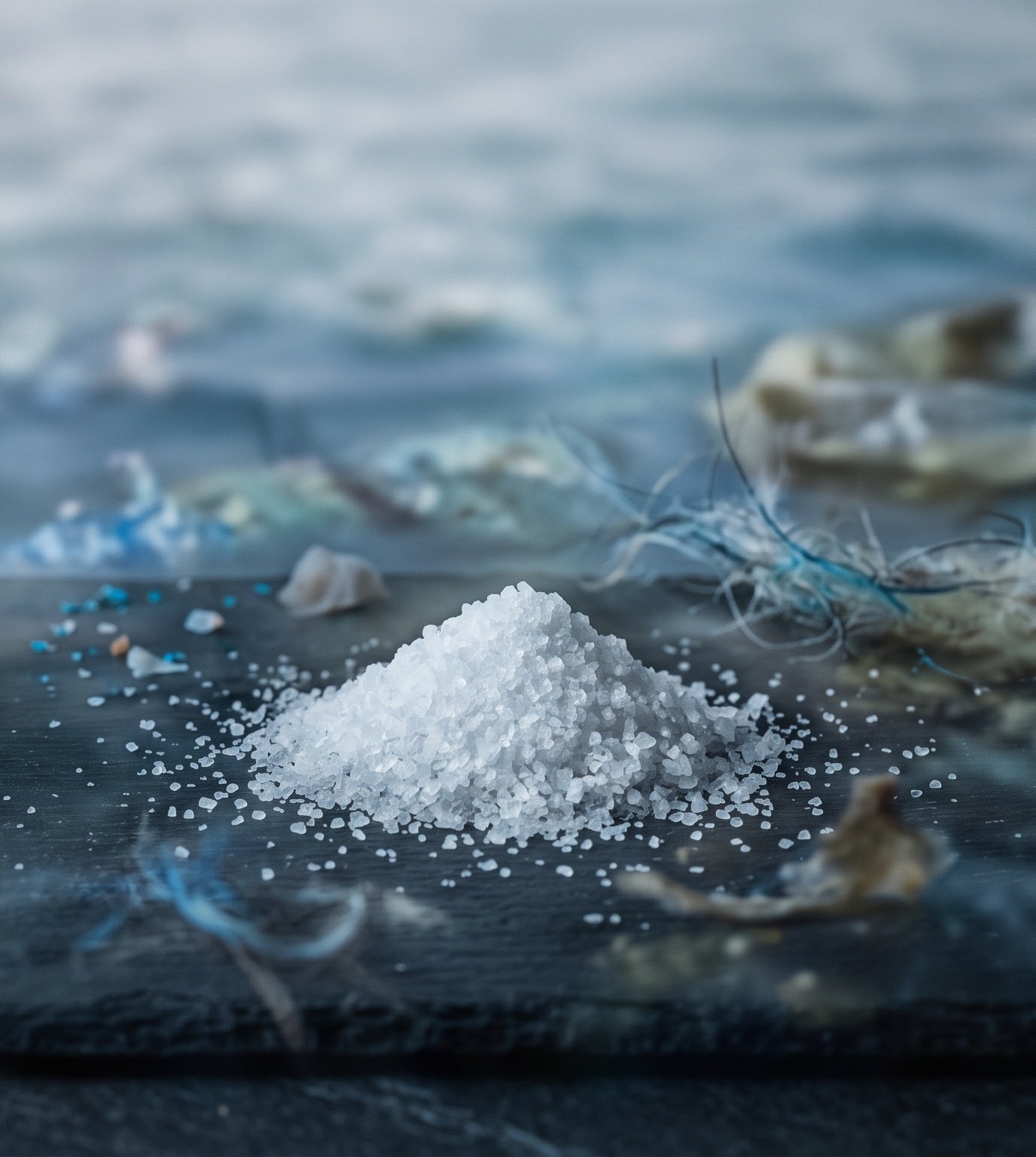
Every year, an estimated eight million tonnes of plastic waste enters our oceans. This relentless tide of pollution doesn't simply disappear—it breaks down into ever-smaller fragments, infiltrating marine ecosystems at every level. And increasingly, this microscopic debris is finding its way onto our dinner plates through one of the world's most essential seasonings: sea salt.
Recent studies have detected microplastics in sea salt samples from every continent. Research published in environmental science journals found plastic particles in over 90% of commercial sea salt brands tested worldwide. The concentration varies by geography, but the message is clear: our oceans are no longer the pristine sources they once were.
## A 20-Million-Year Time Capsule
Deep beneath the Carpathian Mountains of Romania lies a different story entirely. The salt deposits near Târgu Ocna formed during the Miocene epoch, roughly 20 million years ago, when ancient seas evaporated and left behind vast mineral reserves. These deposits were sealed beneath layers of rock and sediment long before industrialisation, long before plastic existed, long before human activity could touch them.
When we source Carpathian rock salt for our blocks, we're drawing from this geological time capsule. The salt emerges as it has existed for millennia—free from the contaminants that now pervade our marine environments.
## Understanding the Difference
Sea salt is harvested through the evaporation of seawater, a process that concentrates whatever the water contains. In pristine conditions, this yields a product rich in trace minerals from the ocean. But today's oceans carry far more than minerals.
Rock salt, by contrast, is mined from underground deposits. The Carpathian variety specifically comes from halite formations—crystalline structures that formed when ancient seabeds dried millions of years ago. This salt has been protected by geological barriers ever since, isolated from atmospheric pollution, industrial runoff, and plastic waste.
## The Purity You Can Taste
Beyond contamination concerns, there's a sensory argument for ancient rock salt. The mineral composition of Miocene-era deposits differs subtly from modern sea salt. Carpathian rock salt presents a clean, bright salinity without the slightly bitter notes that can accompany sea salts with higher concentrations of certain trace minerals.
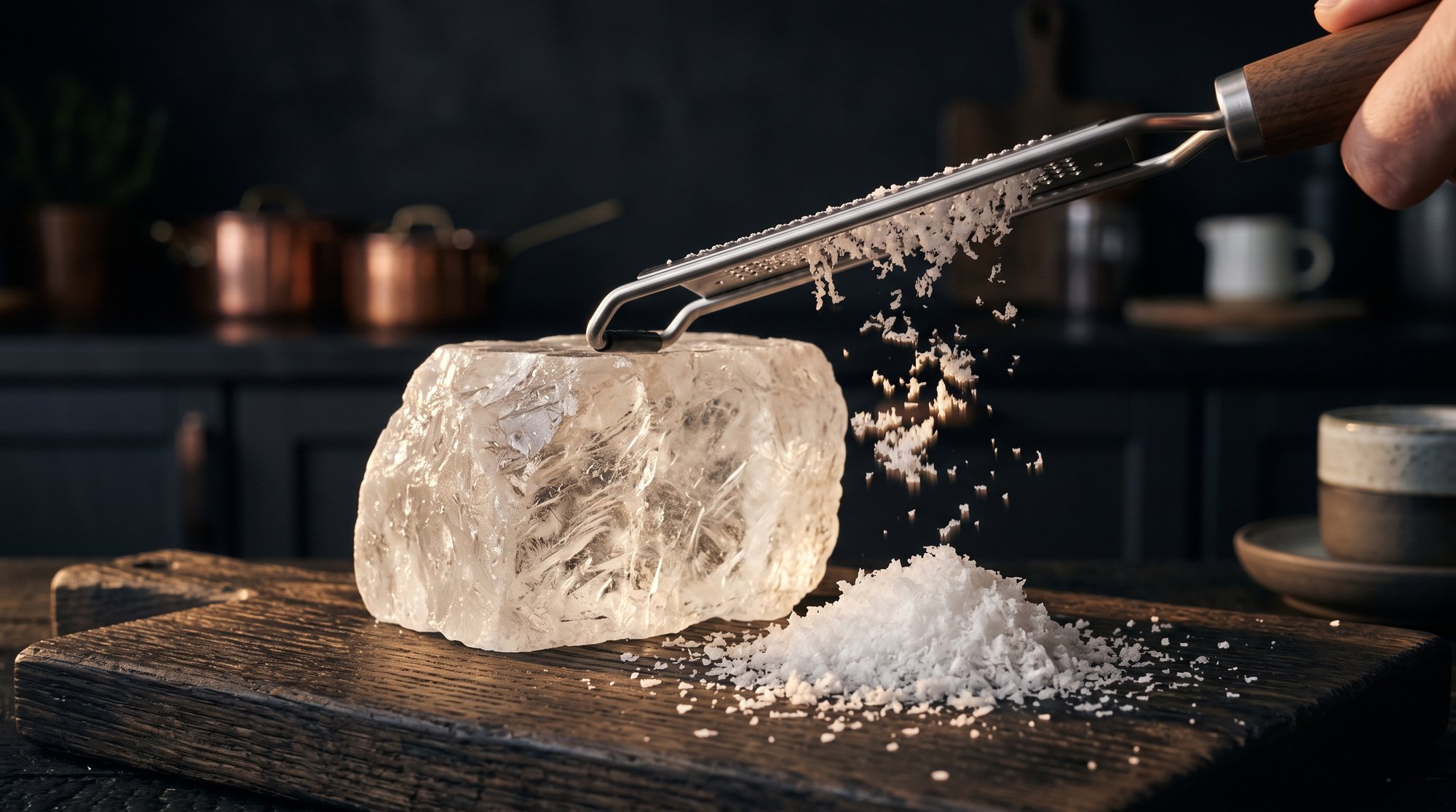
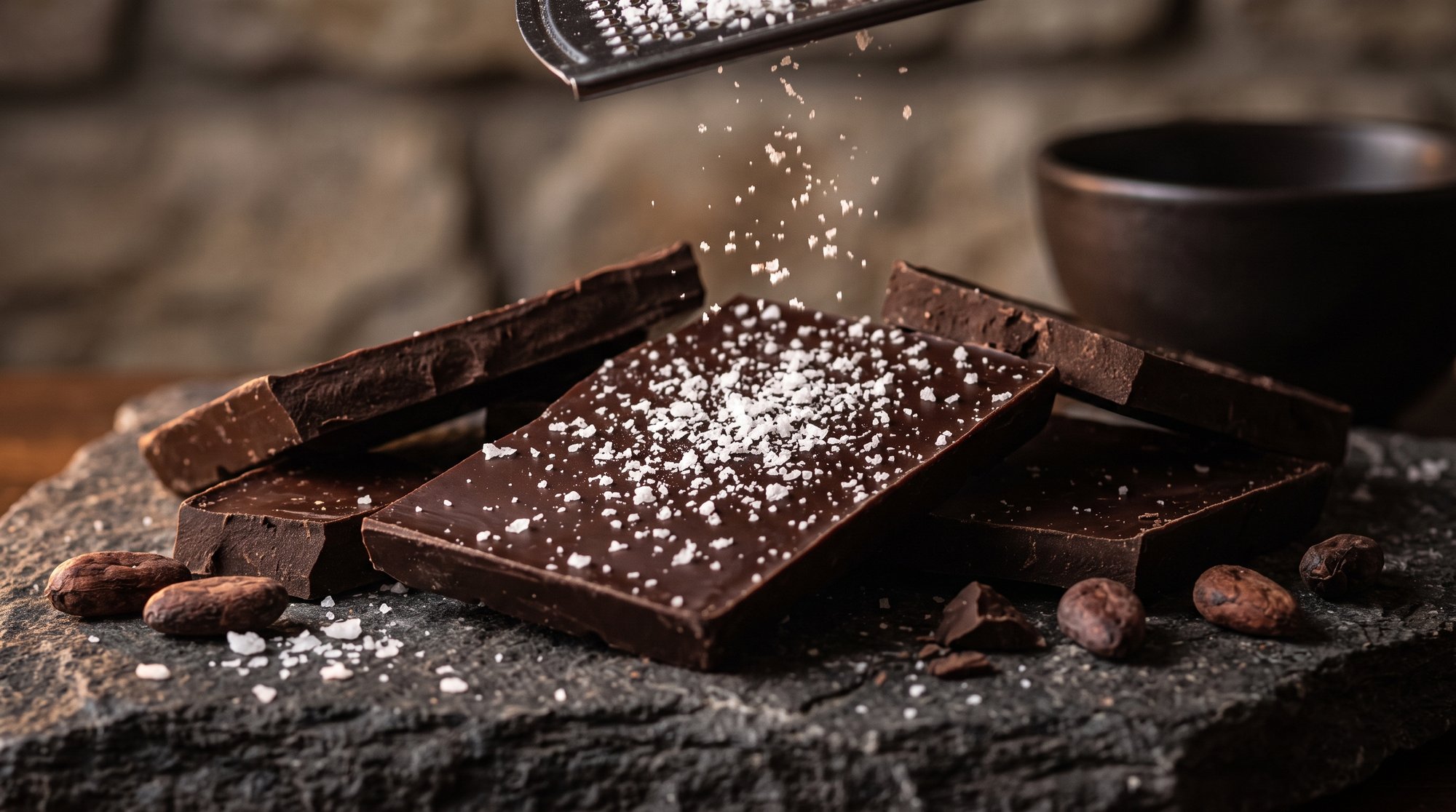
When you grate Carpathian salt tableside, you're not just adding seasoning—you're introducing a moment of geological history to your meal. The white-grey crystals from Târgu Ocna carry the essence of an ancient, unpolluted world.
## Making an Informed Choice
We don't suggest that all sea salt is harmful or that microplastic contamination poses immediate health risks at current exposure levels—the science on long-term effects is still developing. What we do offer is a choice: for those who prefer to minimise their exposure to modern pollutants, ancient rock salt provides an alternative with geological certainty.
The Founder's Edition presents this choice beautifully. Each block of Carpathian salt connects your table to a time before plastic, before pollution, before the compromises of modern food production. It's salt as it was meant to be—pure, ancient, and entirely natural.
## Questions About Our Salt?
Our AI Concierge is available to discuss the sourcing and characteristics of our Carpathian salt, or to help you find the perfect gift for someone who appreciates culinary purity.